
GST : 27BQEPS8823A1ZS

Call us
08045815271
Call us
08045815271
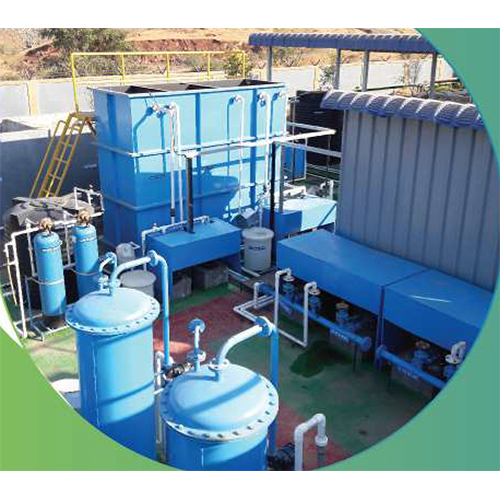
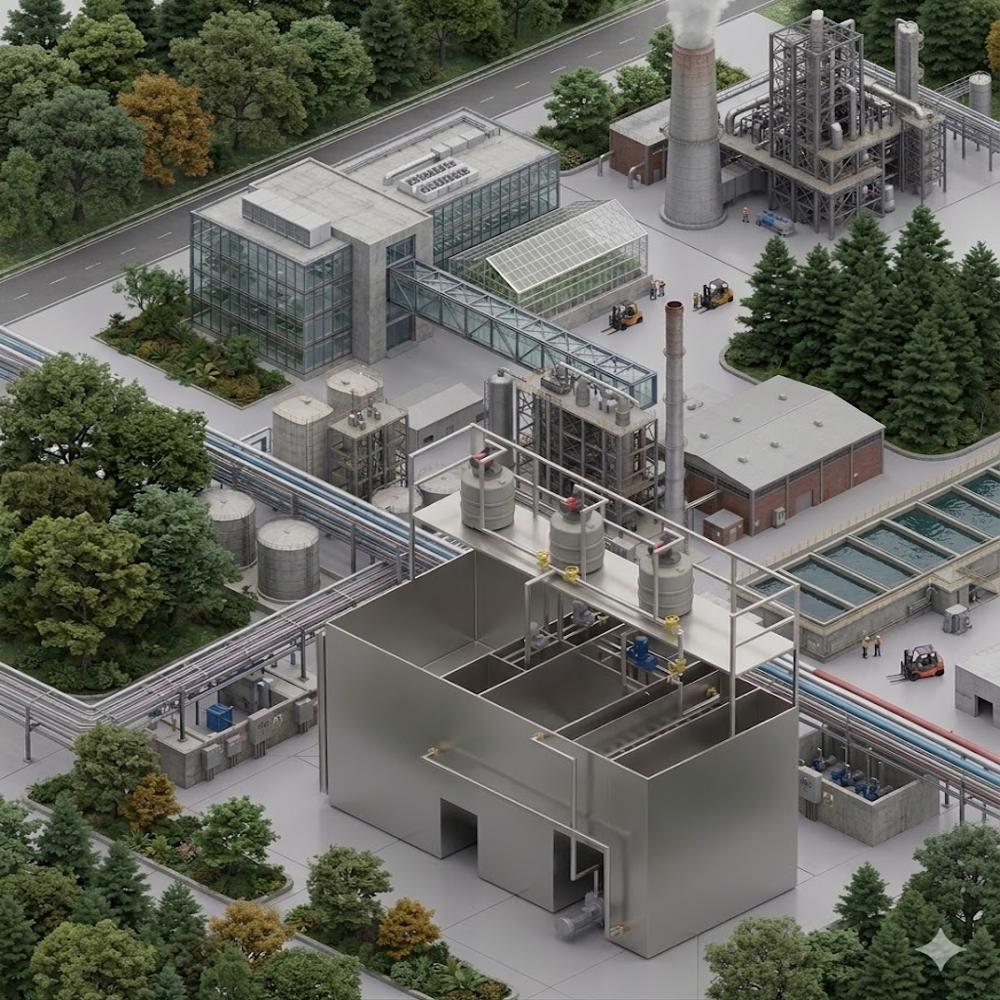
An Effluent Treatment Plant (ETP) is a specialized industrial wastewater treatment system designed to purify industrial waste water so it can be safely reused or discharged into the environment. Industrial effluents typically contain toxic chemicals, heavy metals, organic matter, and oils that cannot be processed by standard municipal sewage systems.
Primary Types of Effluent Treatment Plants
ETPs are generally categorized based on the core technology they use to separate contaminants from water.
A. Physicochemical ETPs
These plants rely on physical forces and chemical reactions to treat wastewater. They are highly effective for removing suspended solids, heavy metals, and non-biodegradable organic matter.
Key Processes: Screening, grit removal, coagulation, flocculation, and sedimentation.
Best For : Industries with high chemical loads, heavy metals, or suspended solids but low biodegradable organic content (e.g., electroplating, mining).
B. Biological ETPs
These systems use microorganisms (like bacteria and fungi) to break down and consume biodegradable organic pollutants present in the wastewater.
Key Processes:
Aerobic Treatment: Uses oxygen to support bacteria. Common systems include Activated Sludge Process (ASP), Moving Bed Biofilm Reactor (MBBR), and Sequential Batch Reactor (SBR).
o Anaerobic Treatment: Operates in the absence of oxygen, often used for high-strength wastewater to generate biogas.
Best For: Industries with high BOD (Biochemical Oxygen Demand) and COD (Chemical Oxygen Demand) levels (e.g., food processing, breweries, dairies).
C. Membrane-Based & Advanced ETPs (MBR / Reverse Osmosis)
For industries requiring high-purity water recycling or zero liquid discharge (ZLD), advanced filtration technologies are integrated.
Membrane Bioreactor (MBR): Combines biological treatment with membrane filtration (microfiltration or ultrafiltration), replacing traditional secondary clarifiers to provide a highly clarified effluent.
Reverse Osmosis (RO): Uses semi-permeable membranes to remove dissolved solids, salts, and microscopic contaminants from the water.
Best For: High-end water recovery, recycling, and tight footprint requirements (e.g., pharmaceuticals, hospitals, textile dyeing).
2. Core Treatment Process Stages
A typical fully integrated ETP processes wastewater through four distinct stages:
[
Disinfection)
1. Preliminary Treatment: Physical screening to remove large floating solids (rags, plastics) and grit chambers to settle heavy inorganic particles. Equalization tanks balance variations in flow and pH.
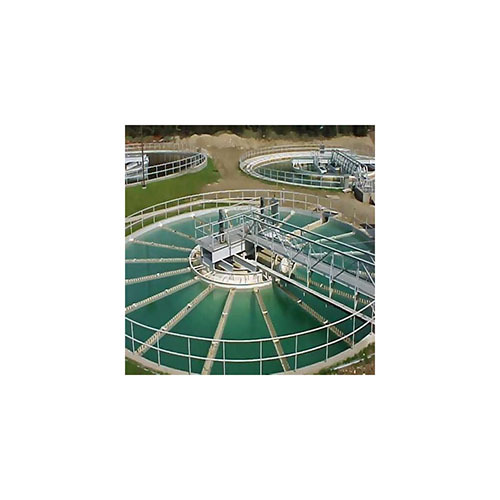
2. Primary Treatment: Chemical dosing (coagulants/flocculants) to destabilize colloidal particles, followed by primary clarifiers where suspended solids and scum/oil are removed.
3. Secondary Treatment: Biological decomposition where microbes digest dissolved organic matter (reducing BOD and COD).
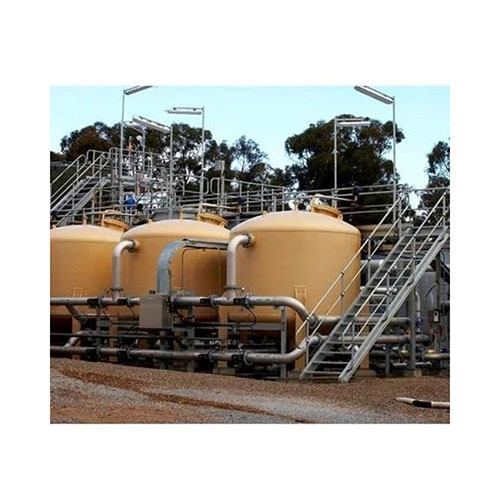
4. Tertiary Treatment: Advanced filtration (sand filters, carbon filters, ultrafiltration, or RO) and disinfection (chlorine, UV, or ozone) to make the water fit for reuse or safe environmental discharge.
Target Industries
ETPs are mandatory or highly critical for any industry that generates liquid waste during manufacturing, processing, or cleaning. Key sectors include:
|
Target Industry |
Primary Contaminants in Effluent |
Preferred ETP Technology Focus |
|
Chemicals & Petrochemicals |
Acids, alkalis, toxic organic compounds, hydrocarbons, heavy metals. |
Physicochemical treatment followed by advanced oxidation and RO. |
|
Pharmaceuticals |
Active Pharmaceutical Ingredients (APIs), antibiotics, solvents, high COD/BOD. |
MBR systems, advanced biological treatment, and multi-effect evaporators (ZLD). |
|
Textiles & Dyeing |
Intense color/dyes, high pH, suspended solids, surfactants, chromium. |
Chemical coagulation/color removal followed by biological treatment and RO. |
|
Food, Beverage & Dairy |
High biodegradable organic load (sugar, starch, fats, proteins), high BOD/COD. |
Anaerobic digestion (for energy recovery) followed by Aerobic systems (ASP, MBBR). |
|
Pulp & Paper |
Lignin, chlorine compounds (AOX), high suspended solids, dark color. |
Heavy primary clarification (sedimentation) followed by extensive biological treatment. |
|
Electroplating & Metal Finishing |
Heavy metals (Cr, Ni, Cu, Zn), cyanides, highly acidic or alkaline streams. |
Precise chemical precipitation, ion exchange, and pH neutralization. |
|
Healthcare & Hospitals |
Pathogens, infectious agents, trace pharmaceuticals, radioactive isotopes. |
Specialized disinfection systems, combined with compact MBR or biological filtration. |

Price:
Price 5000000.0 INR / Number
Minimum Order Quantity : 1 Number
Weight : 10002000 kg Kilograms (kg)
Color : Multiple
Warranty : 1 year
Power Source : electricity
Price 400000.0 INR / Number
Minimum Order Quantity : 1 Number
Weight : 10002000 kg Kilograms (kg)
Color : Multiple
Warranty : 1
Power Source : electricity
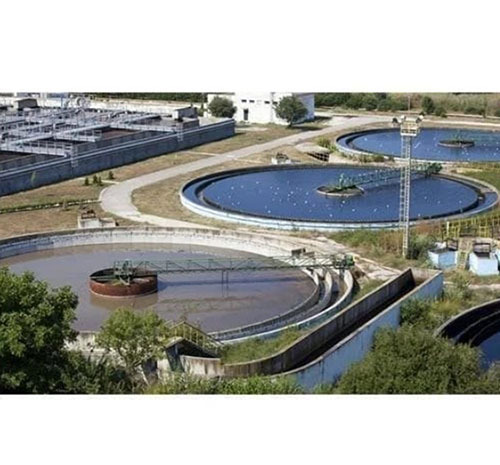
Price 1000000.0 INR / piece
Minimum Order Quantity : 1 piece
Weight : 10002000 kg Kilograms (kg)
Color : Multiple
Warranty : Yes
Power Source : electricity

 English
 Spanish
 French
 German
 Italian
 Chinese (Simplified)
 Japanese
 Korean
 Arabic
 Portuguese
 Send Inquiry
 Send Inquiry

